








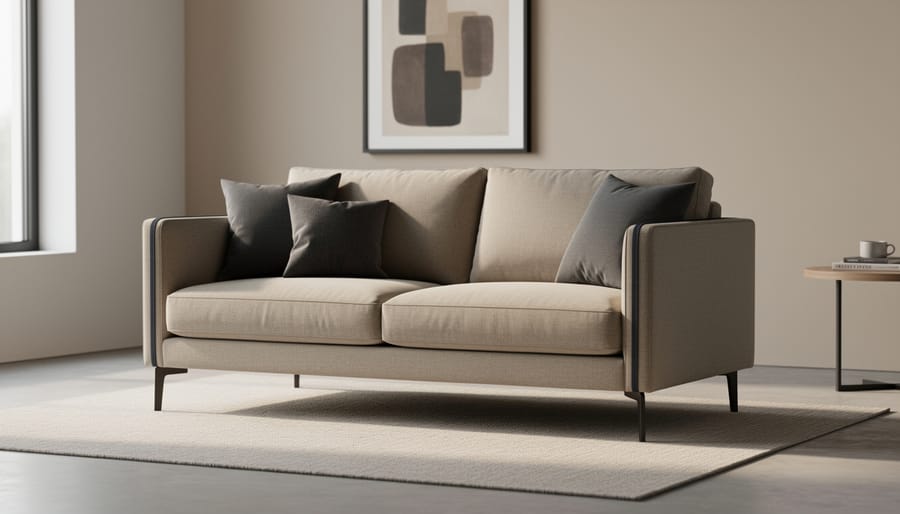
A 5-foot sofa measures approximately 60 inches wide, making it the sweet spot for small living rooms, cozy dens, and apartments where you need real seating without overwhelming your space. This compact size comfortably seats two adults, fits through narrow doorways and stairwells, and leaves breathing room for side tables and traffic flow in tighter layouts.
If you’re navigating the challenge of furnishing a smaller home without sacrificing style or comfort, understanding sofa size and fit becomes essential. The 5-foot sofa sits right between a loveseat and a standard three-seater, offering surprising versatility. You’ll find this length in everything from sleek modern designs to classic rolled-arm styles, and many come with clever features like storage compartments or pull-out beds.
The key is knowing what to look for. Depth matters as much as width. Arm style can add or subtract several inches from your usable seating area. And the frame construction determines whether your compact sofa will hold up to daily use or sag within a year.
This guide walks you through the critical factors that separate a smart 5-foot sofa purchase from a regrettable one, compares your style options, and helps you avoid the common mistakes that leave buyers wishing they’d measured twice.
What Makes a 5 Foot Sofa Special
A 5 foot sofa measures approximately 60 inches from arm to arm, placing it in that sweet spot between a cozy loveseat and a standard three-seater. This translates to comfortable seating for two adults with a bit of breathing room, or a snug fit for three when you’re hosting game night. Think of it as the Goldilocks of sofa sizes: not too big, not too small, but just right for how many of us actually live today.
What makes this size particularly special is its versatility in modern floor plans. While traditional sofas stretch 7 to 8 feet and loveseats typically max out around 4.5 feet, the 5 foot option gives you actual lounging room without dominating your entire living area. You can curl up with a book, stretch out for a Sunday nap, or sit comfortably with a friend, all without feeling cramped.
The popularity of 5 foot sofas has surged as more people embrace apartment living, open-concept layouts, and multi-purpose rooms. They’re substantial enough to anchor a seating area but nimble enough to fit through narrow doorways and navigate tricky staircases. Plus, they pair beautifully with accent chairs or ottomans, giving you flexibility to expand your seating when needed without committing to a massive sectional. In homes where every square foot counts, this size delivers maximum comfort without the spatial commitment of its larger cousins.
Key Factors When Choosing Your 5 Foot Sofa
Room Measurements and Space Planning
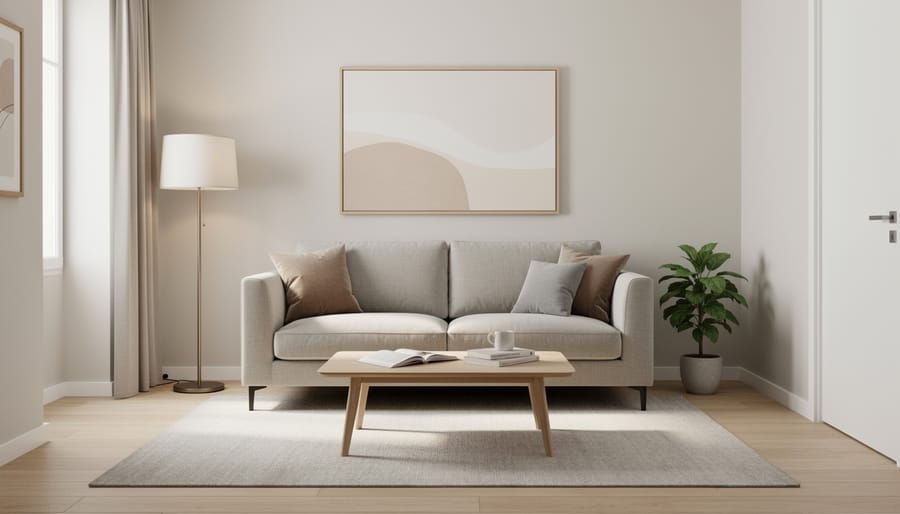
Before you fall in love with a 5 foot sofa, grab a tape measure and take control of your space planning. The actual footprint of your sofa extends beyond its seat width, you’ll need to account for depth (typically 30-40 inches for compact designs) and, crucially, the clearance around it. Designers recommend leaving at least 18 inches between your sofa and the coffee table for comfortable legroom, and 30-36 inches of open walkway space behind or beside seating areas to maintain easy traffic flow. When you measure for fit sketch your room’s dimensions on paper and mark existing furniture, windows, and doorways to visualize how a 60-inch sofa will sit in the layout.
A helpful proportion guideline: your sofa should take up roughly two-thirds of your wall’s length to look balanced without overwhelming the room. In a 10×12 foot living room, for instance, a 5 foot sofa creates breathing room while still anchoring the space beautifully. Use painter’s tape to outline the sofa’s full dimensions on your floor, this simple trick lets you walk around the footprint, test traffic patterns, and confirm you’ll have the functional, comfortable room you’re picturing.
Depth, Height, and Arm Style Considerations
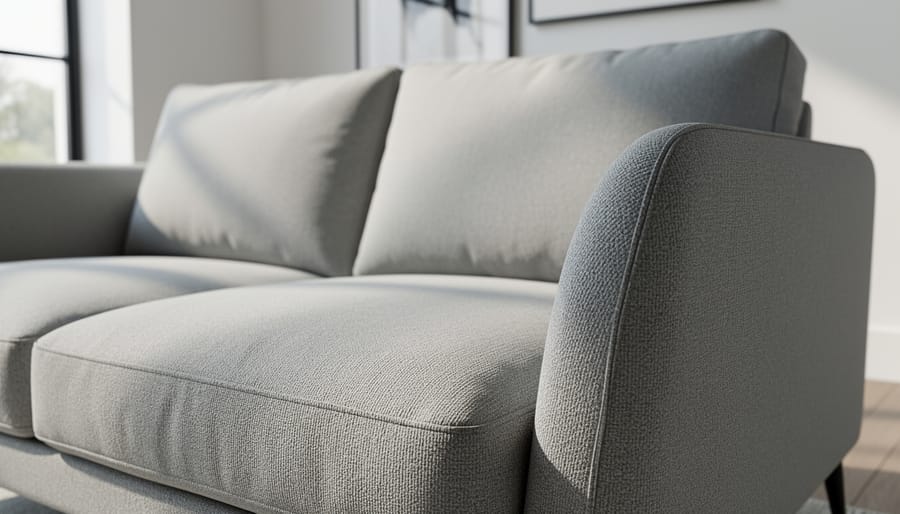
A 5 foot sofa’s length is just the beginning, depth, height, and arm style dramatically affect how it feels and fits in your room.
Depth matters more than you’d think. Standard sofa depths run 36 to 40 inches, but compact models often measure 32 to 35 inches to maximize floor space. Deeper seats feel luxurious for lounging but eat up room and can leave shorter people’s feet dangling. Shallower depths work beautifully in tight spaces and suit those who prefer sitting upright, though they sacrifice sprawl-out comfort. Test the depth by sitting all the way back, your knees should bend comfortably at the seat edge.
Height creates visual impact. Standard seat heights of 18 to 20 inches suit most adults, while low-profile designs (16 to 17 inches) make rooms feel airier and ceilings appear higher. Back height affects both comfort and sightlines, taller backs provide better support but can block views or windows.
Arm styles steal precious seating width. Track arms (straight, narrow) add only 4 to 6 inches per side, preserving your 5 foot length for actual sitting. Rolled or English arms can consume 8 to 10 inches each, shrinking a 60-inch sofa to just 40 inches of usable seating. That’s the difference between comfortably fitting two people or feeling cramped.
Comfort vs. Compact Design
Finding the right balance between comfort and compact design in a 5 foot sofa requires careful attention to how the piece will actually feel during daily use. With less real estate to work with, every element matters more.
Start by considering seat depth, the measurement from the front edge to where your back meets the cushion. Standard sofas often run 22-24 inches deep, but many compact designs reduce this to 18-20 inches to save space. For petite individuals, shallower depths can be perfect, allowing feet to reach the floor comfortably. Taller or longer-legged people, however, might feel perched rather than settled. Look for at least 20 inches of depth if you want to curl up or sit cross-legged.
Cushion firmness becomes critical in smaller frames. Too-soft cushions compress quickly, reducing already-limited seating space and making it harder to stand. Medium-firm support typically works best, maintaining its shape through years of use while still feeling welcoming. When shopping online, search reviews specifically mentioning back support and long-term comfort from people with similar body types to yours. In-store, sit for at least five minutes in your typical posture, reading position, TV-watching slouch, conversational upright, to gauge whether the proportions truly work for how you’ll live with the sofa.
Fabric and Frame Durability
The frame is the foundation of any sofa’s longevity. Look for kiln-dried hardwood, maple, oak, or beech, rather than particleboard or softwood. Quality frames feature corner blocks, glued joints reinforced with dowels or screws, and eight-way hand-tied springs (or at minimum, sinuous springs properly spaced). You can often peek underneath floor models or ask retailers about construction details before committing.
For upholstery, your lifestyle should guide your choice. Performance fabrics like Crypton or treated polyester blends resist stains and moisture, making them ideal for households with kids or pets. Leather develops patina over time and wipes clean easily, though it requires conditioning. Natural fabrics like cotton or linen offer breathability and classic beauty but may show wear faster in high-traffic areas. Removable, washable covers add versatility, letting you refresh your sofa’s look while extending its life. Check rub counts, 30,000 or higher indicates commercial-grade durability suitable for daily family use.
Types of 5 Foot Sofas Compared
Apartment and Condo Sofas
Apartment and condo sofas in the 5 foot category are specifically engineered for compact seating scenarios where every inch matters. These designs typically feature shallower depths (around 30-32 inches instead of the standard 36-38 inches) that free up precious floor space while maintaining comfortable seating. Look for streamlined arms like track or low-profile styles that maximize the usable seating width within the 5 foot frame. Many apartment-specific models incorporate hidden storage compartments beneath cushions or chaise sections, turning wasted space into practical organization. Raised legs create visual lightness and make small rooms feel more open, while also simplifying cleaning underneath. These purpose-built pieces often skip bulky skirts and ornate details in favor of clean lines that help tight spaces breathe.
5 Foot Sleeper Sofas
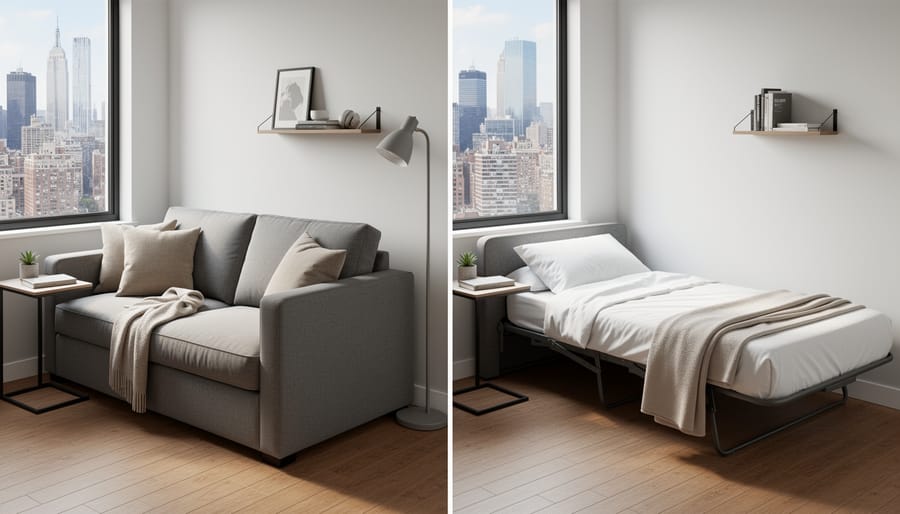
A 5 foot sleeper sofa transforms your compact living room into instant guest quarters without the bulk of a full-size convertible. These clever designs pack a twin or small full mattress into a frame you’d never guess opens for sleeping, making them ideal for apartments where a dedicated guest room isn’t possible.
The mechanism matters enormously. Pull-out styles slide forward and unfold, requiring clearance in front of the sofa, measure carefully so you’re not rearranging furniture at midnight when guests arrive. Click-clack designs simply recline flat, staying in the same footprint but offering less cushioning between sleeper and frame. Futon-style mechanisms split the difference, though they tend to feel firmer.
Mattress quality varies wildly in compact sleepers. Memory foam toppers and innerspring options provide better comfort for sleeping than the thin pad that came standard a decade ago. Test the mechanism’s ease of operation, if you struggle in the showroom, your guests definitely will at 11 p.m.
Modern vs. Traditional Styles
The design aesthetic you choose dramatically changes how a 5 foot sofa fits into your space, both visually and physically. Modern styles typically feature clean lines, low profiles, and slim track arms that maximize seating width within the compact frame. These contemporary pieces often sit closer to the ground with exposed legs, creating an airy feel that makes small rooms appear larger. The streamlined silhouette works beautifully in minimalist spaces and urban apartments.
Traditional designs, on the other hand, tend to incorporate rolled or English arms, tufted backs, and higher profiles that can make the same 5 foot length feel more substantial and cozy. These classic styles usually take up more visual weight and may reduce actual seating space slightly due to fuller arm designs. However, they bring warmth and timeless elegance to formal living rooms or spaces decorated with vintage pieces.
Consider how your sofa will interact with your existing decor and whether you want it to blend seamlessly or serve as a statement piece.
Modular and Sectional Components
Think of a 5 foot sofa module as the perfect starting point for a seating arrangement that evolves with you. These pieces work beautifully as standalone sofas or connect with matching components, add a corner wedge, pair with another 5 foot section, or attach a chaise when space allows. The beauty lies in flexibility: start with what fits your current apartment, then expand when you move to a larger home. Look for modular systems with secure connectors that keep sections from drifting apart. Many contemporary lines offer 5 foot armless pieces that create clean, continuous seating when joined, or left-arm and right-arm versions you can arrange around a corner. This approach transforms furniture shopping from a single purchase into a long-term investment that adapts rather than becomes obsolete.
Best 5 Foot Sofas for Different Spaces and Needs
For Small Apartments and Studios
In a small apartment or studio, every square foot counts, which makes a 5 foot sofa an ideal anchor piece that doesn’t dominate your entire living area. Look for sofas with exposed legs rather than skirted bases, those few inches of visible floor underneath create the optical illusion of more space and make cleaning underneath easier. Sleeper sofas in this size range have improved dramatically, with comfortable memory foam or gel mattresses that fold away neatly when guests leave.
Storage becomes crucial in compact living. Some 5 foot sofas feature lift-up seats that reveal storage compartments perfect for extra blankets, seasonal items, or paperwork you need out of sight. Consider lighter upholstery colors and smooth fabrics that reflect light, making your space feel airier. If your studio serves multiple purposes, choose a design with a straightforward silhouette that transitions easily from daytime work mode to evening relaxation. Avoid bulky rolled arms or tufted backs that add visual weight, streamlined track arms and tight backs keep the profile clean and uncluttered.
For Home Offices and Dens
A 5 foot sofa in your home office or den needs to work harder than typical living room seating. You’ll spend hours reading reports, taking video calls, or unwinding after a long workday, so prioritize firm lumbar support and a seat depth that keeps your feet flat on the floor. Look for mid-century modern or tailored contemporary styles in neutral fabrics like charcoal, navy, or warm gray, they read as professional during virtual meetings while staying inviting for your evening read. Avoid overly plush cushions that swallow you up; a medium-firm feel keeps you alert during work hours but comfortable enough for leisure. Consider a sofa with wooden legs and clean lines rather than skirted or heavily upholstered bases, which can make a workspace feel too casual or dated.
For Families with Kids and Pets
When you’re shopping for a 5 foot sofa with kids and pets in mind, think of it as choosing a workhorse that still looks good. Performance fabrics like Crypton or microfiber repel spills and resist staining far better than traditional upholstery. Look for tight weaves that discourage pet hair from embedding itself in the fibers.
Removable, machine-washable covers are worth their weight in gold. They let you tackle accidents immediately rather than scheduling professional cleanings. Check that the frame uses kiln-dried hardwood and reinforced corner blocks. These construction details mean the sofa will survive enthusiastic jumping and daily roughhousing. A manufacturer offering at least a five-year frame warranty signals they stand behind their durability claims. Darker colors and patterns cleverly disguise minor wear, keeping your sofa looking fresh between cleanings.
For Entertaining and Conversation Areas
When you’re creating a gathering spot where conversations flow easily, a 5 foot sofa becomes the anchor of an intimate seating arrangement. Look for pieces with medium-firm cushions that maintain support during long chats without feeling stiff, your guests shouldn’t shift uncomfortably after twenty minutes.
Consider sofas with welcoming, slightly lower backs (around 32-34 inches) that encourage eye contact rather than isolating sitters. Rolled or English arms add visual warmth and provide comfortable spots for resting drinks or elbows during animated discussions. Pair your sofa with two accent chairs to create a natural conversation triangle, keeping seating within about 8-10 feet so voices carry easily without shouting.
Style matters here, your sofa sets the room’s tone. Textured fabrics like linen or bouclé add sophistication and tactile interest, while rich colors or subtle patterns create visual depth without overwhelming the space. A sofa that looks inviting encourages people to settle in and stay awhile, transforming your living room into a genuine gathering place.
Common Mistakes to Avoid When Buying a 5 Foot Sofa
Ignoring Overall Dimensions Beyond Length
That 5 foot length sounds perfect until your new sofa arrives and suddenly your living room feels cramped. The culprit? You measured the length but forgot about depth and height.
A sofa that’s 60 inches long but 40 inches deep eats up way more floor space than a 35-inch-deep model. In a narrow room, that extra depth blocks walkways and makes the space feel tight. Height matters too, a high-backed sofa with thick cushions can overpower a room with low ceilings or block sightlines to windows.
Before you buy, measure all three dimensions and map them out on your floor with painter’s tape. Walk around the outline. Can you move comfortably? Does it leave breathing room for traffic flow? If it feels tight in tape form, it’ll feel worse with an actual sofa there.
Choosing Style Over Comfort
It’s tempting to fall in love with a sleek mid-century silhouette or a gorgeous velvet finish, but if the cushions are too firm or the seat depth makes your feet dangle, you won’t want to sit there. With compact sofas, shallow seats or overly structured frames can feel cramped quickly. If you can’t test in person, scrutinize return policies and look for detailed comfort specs: seat depth should be at least 20 inches for most adults, cushion fill type matters (high-density foam holds up better than cheap polyester), and back angle affects whether you’ll actually relax. A beautiful sofa you avoid using is wasted space, comfort must come first, especially when square footage is limited.
Forgetting About Scale and Proportion
A 5 foot sofa represents a specific measurement, but its visual impact changes dramatically depending on your room’s dimensions. In a spacious 20-by-15-foot living room, that same sofa can appear diminutive and out of place, leaving the room feeling underfurnished or awkwardly arranged. Conversely, placing it against a single wall in a narrow 10-by-12-foot space might work beautifully, but pairing it with oversized accent chairs or a bulky coffee table can make the entire room feel cluttered and cramped.
The key is viewing your sofa as part of a complete furniture arrangement, not an isolated purchase. Consider the other pieces you’ll place nearby, side tables, chairs, media consoles. Aim for visual balance where no single piece dominates or disappears. If you’re working with a larger room, flanking your 5 foot sofa with substantial armchairs or adding a complementary loveseat creates a cohesive conversation area rather than leaving your compact sofa stranded. In smaller spaces, choose slender side tables and open-legged accent chairs that maintain the airy, proportionate feel your compact sofa provides.
Frequently Asked Questions About 5 Foot Sofas
When you’re shopping for a 5 foot sofa, certain questions come up again and again, and for good reason. These compact pieces walk a fine line between cozy and cramped, and getting the details right makes all the difference in how your space functions and feels.
How many people can comfortably sit on a 5 foot sofa?
A 5 foot sofa typically seats two adults comfortably, or three in a pinch for casual gatherings. The actual capacity depends on arm style and cushion configuration, with tighter backs and thinner arms offering slightly more usable seating width.
What’s the minimum room size for a 5 foot sofa?
Plan for at least 10 feet by 10 feet to allow comfortable traffic flow, though you can work with slightly smaller spaces if the sofa has a shallow depth and you’re strategic with placement. Leave 30 to 36 inches of clearance in front for a coffee table and walking paths.
Is a 5 foot sofa the same as a loveseat?
Not quite, loveseats typically measure 58 inches or less, while a 5 foot sofa hits 60 inches and often offers slightly deeper seating and more structured cushioning. The difference seems small but can affect both comfort and room fit.
Will a 5 foot sofa work for tall people?
It depends on the depth and back height more than length. Look for models with at least 20 to 22 inches of seat depth and higher backs (around 36 inches) that support your shoulders and head without feeling cramped.
What price range should I expect for a quality 5 foot sofa?
Quality options generally start around $600 and can reach $2,500 or more depending on construction, upholstery, and brand. Mid-range sofas ($1,000 to $1,500) typically offer the best balance of durability, comfort, and style for most households.
Where’s the best place to position a 5 foot sofa?
Float it facing the room’s focal point (fireplace, TV, window) with a console table behind if space allows, or place it against a wall in tighter quarters. Pairing it with accent chairs creates a balanced conversation area without overwhelming smaller rooms.
Understanding these fundamentals helps you shop with confidence rather than second-guessing every measurement. The beauty of a 5 foot sofa is its versatility, it adapts to your space rather than forcing you to work around it. When you know what questions to ask (and what answers to look for), you’re already halfway to finding a piece that fits your home and your life perfectly.
Finding the perfect 5 foot sofa comes down to combining smart measurements with your personal comfort preferences. You’ve learned how to assess your space, evaluate construction quality, and identify which features matter most for your lifestyle. Now it’s time to trust your instincts.
Measure twice, sit when you can, and don’t settle for something that doesn’t feel right just because it fits the dimensions. The ideal compact sofa should make your room feel complete, not cramped. When you discover that perfect balance of size, style, and comfort, you’ll know it. Your home deserves furniture that welcomes you in and reflects who you are, and a thoughtfully chosen 5 foot sofa can absolutely deliver that cozy, pulled-together feeling you’re after.