









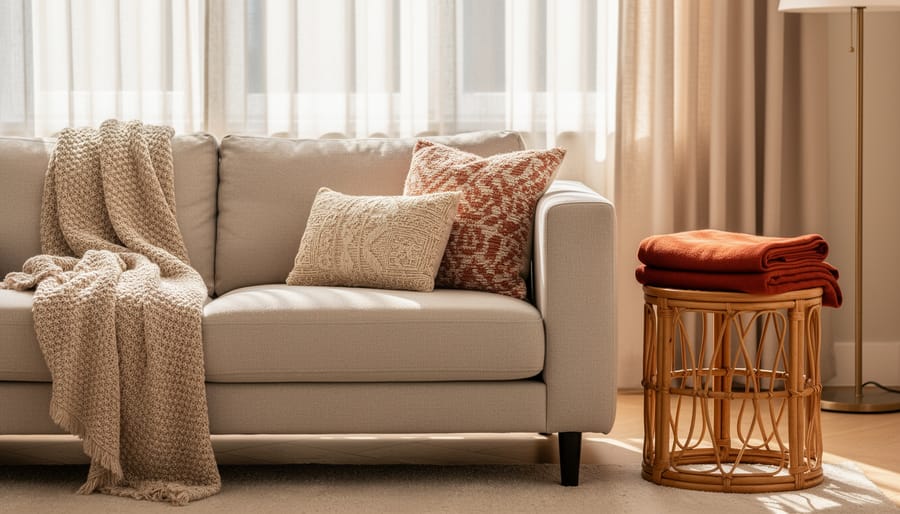
The best time to refresh your furniture is at the turn of each season, with two windows doing most of the heavy lifting: early spring, when you swap heavy textiles for lighter ones and move pieces back toward the windows, and early autumn, when you bring in warmth, texture, and a sofa that invites a blanket. Summer and winter are for small adjustments and smart shopping, not big overhauls.
Your climate bends that calendar. A home in a humid coastal town needs its linen and rattan out sooner than one in the dry mountain West, and a sunroom shifts the rhythm all on its own. The biggest factor, though, is how you actually live. If your dining table turns into a quilting station every November or hosts a dozen guests for Thanksgiving, the right moment to restyle is whenever the season changes what your home is asked to do.
Think of furniture the way you think of a good recipe: the bones stay the same, but the best cooks adjust for what’s in season. This guide walks through when to change, buy, and style each piece across the year, then closes with the aftercare that keeps everything looking loved.
The Quick Answer: When to Switch Up, Shop for, and Style Your Furniture
Here’s the short version, for anyone who wants it before the coffee gets cold. Change your styling at the turn of each season: lighter throws and linen in spring, richer textures in fall. These swaps are small, quick, and cost very little. Save the big purchases for the stretch when showrooms are clearing floor models to make room for new collections. That’s a general pattern rather than a guarantee, but it’s a reliable one to watch for. And for outdoor pieces, shop before the season arrives and cover or store them before it ends, so you’re never scrambling when the first warm weekend shows up.
The thread running through all of it is Home Furniture Selection, and it works best as a year-round habit instead of a one-time project. Think of it as a slow, pleasant conversation with your home. A well-made sofa or dining table becomes the steady backdrop, and the seasons simply change the costumes around it. Once you’ve chosen pieces that can carry a cozy winter and a breezy summer, the rest is just playing with pillows, rugs, and a fresh arrangement on a Sunday afternoon.
Your Season-by-Season Timing Windows
Spring: Lighten the Load and Invite the Outdoors In
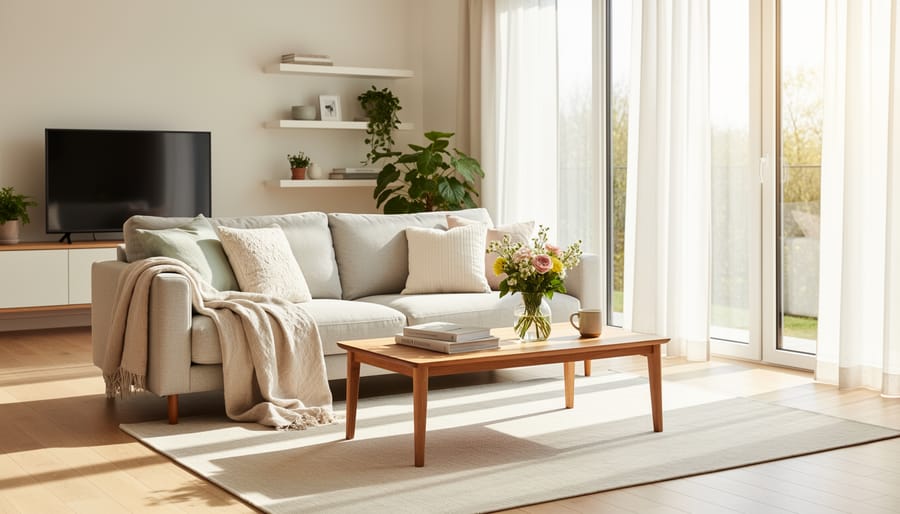
The first warm Saturday of spring, I threw open every window and realized how tired my living room looked. The wool throw, the velvet pillows, the dark rug all felt like winter leftovers. So I rolled up the rug, folded the throw into a basket, and swapped in cotton pillow covers and a light linen blanket. The room breathed again.
Spring is about lightening the load. Trade heavy textiles for breathable linen and cotton, then nudge your furniture away from the walls so daylight can travel deeper into the room. Even a sofa turned a few degrees can change how a space feels.
It’s also the right moment to think about your porch and patio. Choosing outdoor seating now, before the first cookout invitation, means you’re picking pieces calmly rather than in a rush.
| Season | Best Furniture Task | Pieces to Focus On | Mood to Aim For |
|---|---|---|---|
| Spring | Style swap, then shop | Linen and cotton textiles, light rugs, patio and porch seating | Airy, bright, welcoming |
Start small: one set of curtains, one pillow cover, one open window. The rest tends to follow.
Summer: Furnish for Gatherings and Easy Living

Summer asks your furniture to work harder, and it rewards the pieces that can keep up. Think about the supper that starts at five and somehow stretches past dark. The table that hosts it needs a forgiving surface, one that shrugs off a splash of vinaigrette or a ring from a sweating glass.
Outdoors, look for materials built for sun and weather: powder-coated aluminum, teak, or all-weather wicker paired with quick-dry cushions. Wipeable fabrics and solution-dyed acrylics resist fading, which matters more than most of us realize until a favorite cushion turns pale after one season. If your patio gets strong afternoon light, a shaded corner or an umbrella protects both your guests and your investment.
Inside, flexibility is the secret to easy living. Lightweight chairs, nesting tables, and a sturdy bench can slide in when the crowd grows and tuck away when it thins. A dining table with a solid, easy-clean top lets you linger over grilled vegetables and fresh berries without hovering over every crumb.
Choose pieces that invite people to stay. The best summer furniture quietly says, take your time.
Fall: Cozy Up and Plan the Big Purchases
When the light turns golden and the evenings get a little longer, the house starts asking for something softer. This is the season for layering: a chunky knit throw over the sofa arm, a wool or flatweave rug underfoot, velvet or bouclé pillows in rust, forest green, and deep plum. Deeper tones and tactile fabrics make a room feel held, like a good cardigan.
It’s also a smart moment to think about the bigger pieces. Late summer into fall is often a sensible planning window for sofas, dining sets, and bedroom furniture, because many showrooms begin making space for new collections and may be more flexible on floor models or open-stock items. That’s a general pattern, not a promise, so treat it as a reason to start looking rather than a deadline to chase.
Use these weeks to do the groundwork:
1. Measure your room, doorways, and stairwells before you fall for anything.
2. Sit on the piece, and test the cushions and frame in person when you can.
3. Ask about lead times, especially for custom upholstery, so your table arrives before the holiday guests do.
Plan now, and the cozy season becomes a pleasure instead of a scramble.
Winter: Hosting, Hibernating, and Holiday-Ready Rooms
Winter turns the house inward, and the furniture has to do two jobs at once: welcome a crowd in December and shelter a quiet evening in February.
For hosting, think seating that flexes. A sofa with deep cushions, a couple of ottomans that double as extra seats, and a bench tucked along the dining table can stretch to fit more guests than you thought you had room for. Pieces that slide, stack, or tuck away mean the living room can become a party space and then return to calm the next morning.
The dining table deserves special attention. A table with a leaf or drop sides can stay compact most of the year, then open up for a long holiday supper where everyone finally sits together. It’s worth testing how it opens before the guests arrive, not after.
Then there’s the hibernating side. A reading nook needs very little: a supportive chair, a small side table, good light, and a throw within arm’s reach. It’s the spot where a cup of tea and a half-finished quilt block can wait for you.
The quieter months after the holidays are a gift for planning. Measure your rooms, note what felt cramped or lacking, and start a shortlist. You’ll shop with clearer eyes when spring comes.
What Shifts Your Timing: Climate, Lifestyle, and the Pieces Themselves
Choosing Furniture That Works in Every Season
Think of your foundation pieces as the quiet cast of your home: a solid sofa frame, a hardwood dining table, a sturdy bed or bookcase. Pick them in calm, neutral tones, and they’ll carry you through every season while pillows, throws, and rugs do the seasonal storytelling. A linen throw in spring, a chunky wool one by November. Same sofa, entirely new mood.
The trick is knowing where to put your money. If you want a little help deciding how to choose quality furnishings start with what you can’t easily swap: the frame, the joinery, and the upholstery. Everything else is a cheerful, affordable accessory.
You’ll bump into a few terms while shopping, so here they are in plain language:
- Performance fabric
- Upholstery treated or woven to resist stains, spills, and fading, which makes it a friend to pets, kids, and long supper parties.
- Kiln-dried hardwood
- Wood dried in a controlled oven so it holds less moisture, which helps frames and tables resist warping as humidity changes.
- Eight-way hand-tied
- A traditional spring system where each coil is tied by hand in eight directions, giving seating steady, lasting support.
- UV-resistant finish
- A coating that helps outdoor pieces withstand sun without bleaching or cracking.
- Modular seating
- Sofa sections you can rearrange or add to, so one set can flex from quiet evenings to a full holiday crowd.
Choose a few well-made anchors, keep the palette soft, and let the seasons do the decorating.
How to Plan Your Seasonal Furniture Swap, Step by Step
Think of a seasonal refresh as a weekend project you can tackle with a pot of coffee and a little music. It goes smoothly when you work in order, so here’s the sequence I’d follow.
- Take stock. Walk each room and note what’s working, what’s worn, and what you’ve stopped using.
- Sort swaps from replacements. Pillows, throws, and rugs are easy swaps. A sagging sofa cushion or a wobbly chair leg means it’s time to replace.
- Measure and map the layout. Sketch each room, mark doorways and traffic paths, and measure anything you’re considering moving or adding. If a sectional is on your wish list, a quick read on V-shaped sofa sizing will help you avoid a tight squeeze.
- Refresh the soft goods. Rotate in the season’s textures and colors first, since this is the cheapest way to change a room’s mood.
- Shop for gaps. Buy only what your sketch shows you’re missing, with a short list in hand.
- Store the off-season items. Wash or clean everything first, then fold textiles into breathable bins and label them so next season’s swap takes minutes.
Invite the family in, too. Kids can pick a pillow color, and a partner can handle the heavy lifting. When the old cushions are tucked away and the room feels new again, you’ll have something better than a tidy house: a small seasonal ritual you’ll look forward to repeating.
Aftercare: Protecting Your Pieces as the Seasons Turn

Care is the quiet half of Home Furniture Selection. A piece you chose with love deserves a small ritual each time the seasons turn, and those little habits are what let a sofa or a dining table carry years of stories.
Start with upholstery. A gentle vacuum with a soft brush attachment every few weeks lifts the dust and crumbs that wear fibers down. When spring arrives, give cushions a good airing and spot-treat any marks while they’re fresh. And rotate and flip seat and back cushions regularly, so one favorite corner of the sofa doesn’t flatten while the rest stays plump.
Wood likes attention too. Wipe it with a slightly damp cloth, dry it right away, and apply a conditioner or wax suited to the finish once or twice a year. In winter, indoor heating pulls moisture from the air, which can leave wood dry or even cracked. A humidifier and a little distance from radiators and vents go a long way. In humid summers, the opposite worry applies, so keep air moving and avoid pressing furniture tight against damp walls.
Sunlight is the slow, sneaky culprit. Fabric and wood both fade when they sit in strong afternoon light, so draw sheer curtains, move a chair now and then, or tuck a throw over the sunniest arm.
Outdoor sets deserve a proper send-off before the weather turns. Clean them, let them dry fully, and cover them with breathable, fitted covers. If you have room, store cushions indoors in a dry spot. It’s a small afternoon’s work in autumn that pays you back with a fresh start come spring.
Seasonal Furniture Questions, Answered
Readers ask me the same handful of things whenever we talk about seasonal furniture, so here are my warmest, most practical answers.
Is it really worth swapping furniture seasonally?
Swapping the big pieces rarely pays off, but swapping the soft layers always does. Pillows, throws, rugs, and curtains change the whole feel of a room without a single trip to the showroom.
How do I store off-season pieces in a small home?
Think vertical and hidden: under-bed bins, lidded ottomans, and shelves in a hall closet all work beautifully. Wash and fully dry textiles first, then store them in breathable cotton bags rather than sealed plastic so nothing turns musty.
How can I refresh a room on a modest budget?
Start by rearranging what you own, since a new layout can feel like new furniture. Then add one or two inexpensive seasonal accents, like a linen throw in spring or a wool one in fall.
How do I balance trends with timeless pieces?
Let your foundation pieces stay classic and neutral, then let trends live in the cheap, changeable details. If a trend fades, you simply swap a pillow cover instead of replacing a sofa.
If space is your biggest challenge, it’s worth knowing that smaller rooms don’t have to mean fewer choices. Browsing compact sofa options can show you how a well-scaled piece leaves room for the seasonal extras you love, whether that’s a craft table in winter or a pair of café chairs in summer.
Think back to that first cool morning, when the porch cushions suddenly felt wrong. That small moment says it all: a home that feels right is one that keeps pace with the year. Home Furniture Selection isn’t a single shopping trip. It’s a habit of noticing, then adjusting, season after season.
Remember that your ideal timing will bend around a few things:
- Your local climate and how long each season really lasts.
- Household needs, from kids and pets to frequent hosting.
- Delivery and lead times, especially for made-to-order pieces.
- Room function, whether it’s a dining space or a craft nook.
- Your budget, which sets the pace of bigger purchases.
Even practical choices belong in the picture, and thoughtful home energy planning can shape how comfortable each room feels through the months.
I’d love to hear about your own seasonal rituals and the pieces you’d never part with. Start small this season: swap one throw, shift one chair, and let the rest follow.